Royal Enfield Classic 350 Evolution: History, Specs, Variants & Rider Review
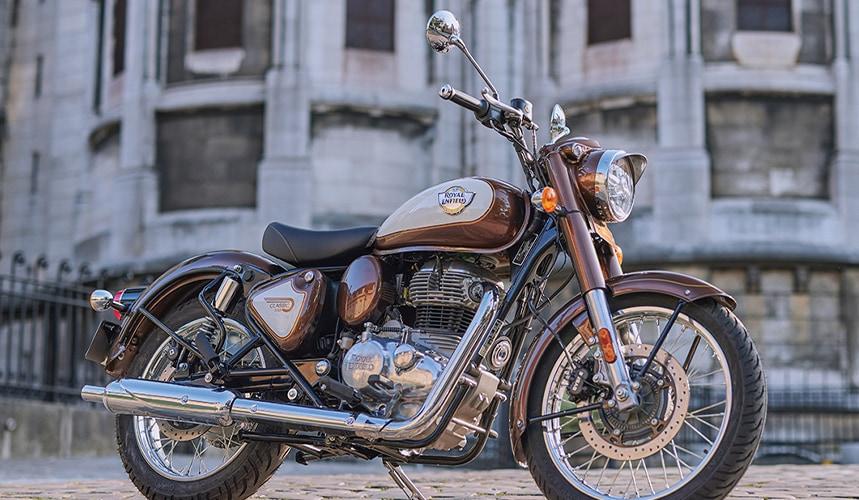
Royal Enfield Classic 350 Evolution
(By Prashant, Founder – Mytra.club and long‑time Classic rider)
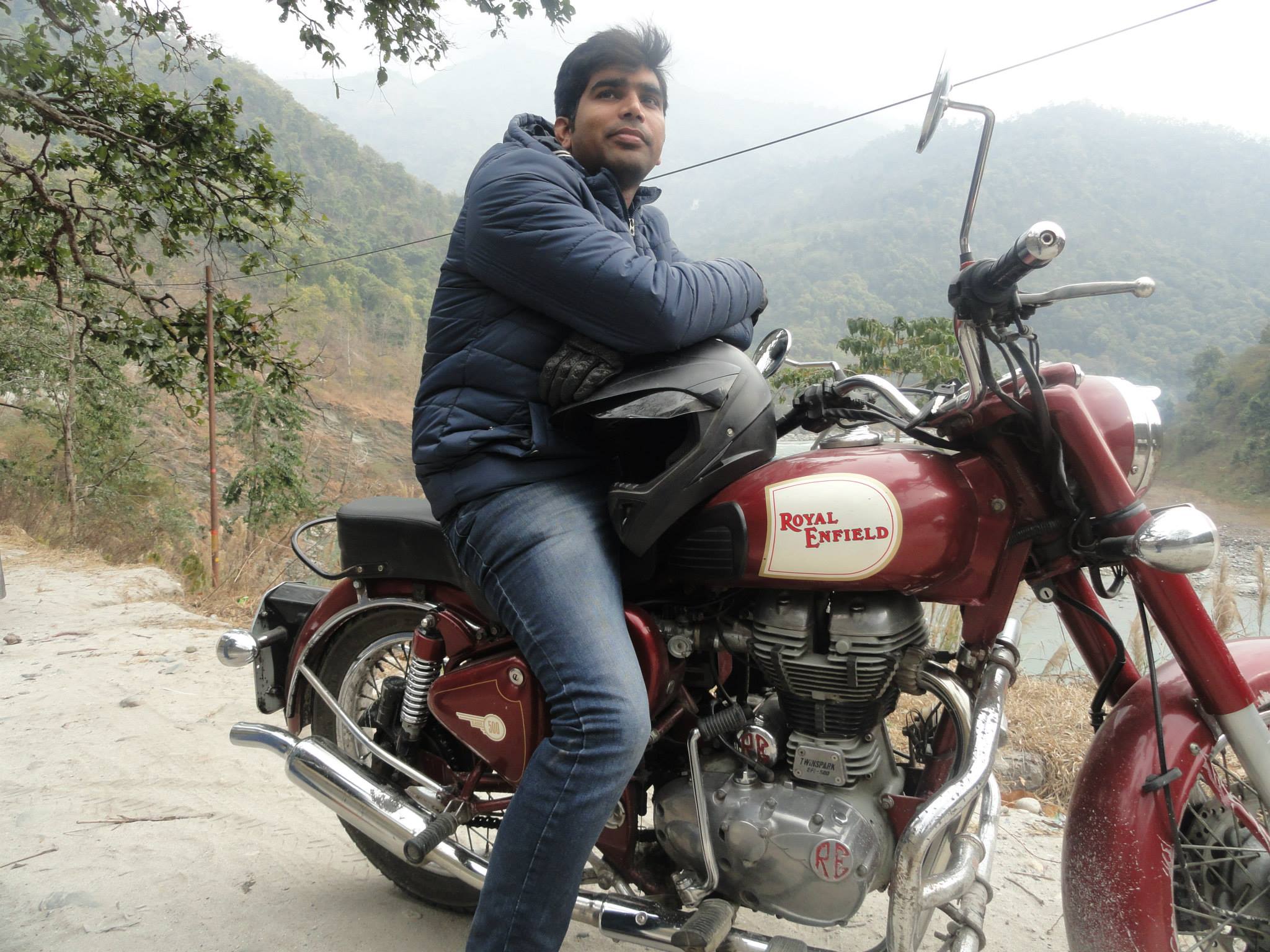
I’ve always had a soft spot for the Royal Enfield Classic 350. I ride one myself and have spent years with it, and I’ve also toured on the old Classic 500 to places like Gangtok, Darjeeling, and Kalimpong. That personal connection is a big part of why this bike’s evolution over the last decade‑and‑a‑half is so interesting to me.
Executive Summary
The Royal Enfield Classic 350 (often simply “Classic 350”) was introduced in India in 2009 as a retro‑styled 350cc midweight single. It quickly became one of Royal Enfield’s best‑selling models and, in many ways, the face of the brand in India. Over the past 15+ years it has evolved through incremental upgrades (brakes, emissions, minor styling tweaks) and then a complete mechanical and chassis redesign in 2021.
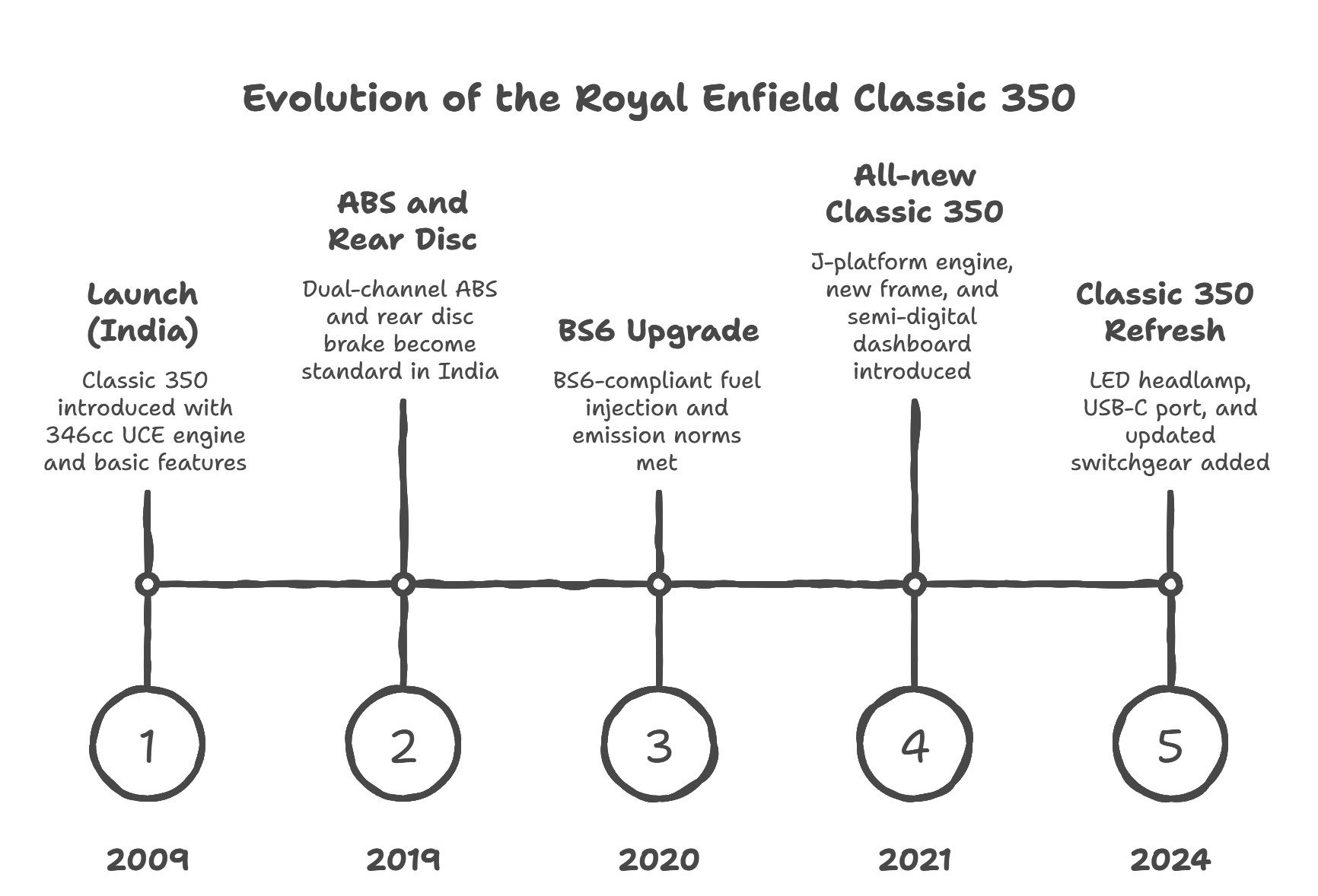
Key milestones include: the 2009 launch with the 346cc UCE engine, carburettor and no ABS; the 2019 update with dual‑channel ABS and rear disc brake; the BS6‑compliant fuel‑injected Classic 350 in 2020; and the all‑new J‑engine Classic 350 that debuted in August 2021. The latest 2024 update adds LED lighting, a USB‑C charging port, a gear‑position indicator and revised trim lines (Heritage, Dark, Signals, Chrome). Variants have expanded from basic early “Redditch‑style” classics to multiple trim lines (Signals, Dark, Chrome, Halcyon/Redditch/Heritage) and special editions, including the Goan Classic 350 bobber‑inspired spin‑off.
Pricing has risen steadily – from around ₹0.98 L ex‑showroom at launch to just under the ₹2.0 L mark for the 2024 refresh – reflecting added features, modern emissions hardware and general cost inflation. The Classic 350 sits in the retro‑cruiser / modern‑classic niche. Its main rivals today include Jawa and Yezdi’s 300–350cc models, Honda’s CB350 twins (H’ness and RS), Hero’s 350 offerings, and sport‑tourers like the Bajaj Dominar 400. Below, I’ve broken down how the Classic 350 has evolved technically and in the lineup, and how it stacks up in the current market.
Technical and Design Evolution
Engine and Emissions
From 2009 to 2020, the Classic 350 used Royal Enfield’s 346cc single‑cylinder UCE (Unit Construction Engine), a two‑valve, air‑cooled motor paired with a five‑speed gearbox. In its carburetted and early fuel‑injected forms it produced around 19.8 bhp and 28 Nm, with a relaxed, torquey delivery that suited Indian highways but came with noticeable vibrations at higher speeds.
With the 2020 BS6 update, fuel injection became standard in India and the Classic 350 met the stricter Bharat Stage VI norms. Emissions hardware such as catalytic converters and oxygen sensors were integrated into the exhaust system. Performance on paper remained very similar, but the throttle response and refinement improved slightly.
The 2021 redesign introduced the 349cc air‑/oil‑cooled J‑engine, again with a 5‑speed gearbox. It produces about 20.2 bhp at around 6100 rpm and 27 Nm at about 4000 rpm. The key change riders notice is the addition of a primary balancer shaft, which cuts down vibrations significantly compared to the old UCE. In real‑world riding, the J‑engine feels smoother and more relaxed at typical cruising speeds, while still retaining enough character to feel like a Royal Enfield.
Chassis, Suspension and Brakes
The first‑generation Classic 350 used a single‑downtube frame with telescopic front forks and twin rear shock absorbers. Early models paired a 280 mm front disc brake with a rear drum, with no ABS. Over time, Royal Enfield added a rear disc and eventually dual‑channel ABS (by 2019 in India), improving braking performance and safety.
In 2021, the Classic moved to a new twin‑downtube chassis with a stiffer front section and revised geometry for better stability and more predictable handling. The bike still uses telescopic front forks and twin rear shocks, but spring and damping rates were reworked, and preload‑adjustable rear shocks help tune the ride for different loads. Front and rear disc brakes (around 280 mm front and 270 mm rear) with dual‑channel ABS are standard on the main Indian variants. The net effect on the road is a Classic that feels more planted in corners and less nervous under hard braking, while preserving its comfortable, upright riding stance.
Electronics and Instruments
Early Classics were charmingly basic: analog speedometer, ammeter, and no fuel gauge. As emissions systems and fuel injection arrived, simple indicator lights and, later, basic digital trip information started appearing.
The 2021 Classic 350 introduced a semi‑digital instrument cluster with an analog speedometer and a small LCD for fuel, trip and other basic data. Many variants also offer the Tripper navigation pod – a small separate screen that provides turn‑by‑turn directions when paired with a smartphone app. The 2024 update takes a further step with a gear‑position indicator integrated into the cluster and updated controls, while keeping the analog‑centric look intact.
Design and Ergonomics
Through all of these changes, the Classic has kept its core visual identity: teardrop tank, round headlamp with casquette, generous fenders, and a vintage‑inspired saddle. Over the years, Royal Enfield has refined details rather than radically changing them. Subtle tweaks include sharper tank knee indents, blacked‑out engine and rims on Dark‑style variants, new tank badges and medallions, and evolving colour schemes.
Ergonomically, the 2021‑onwards bikes have a slightly more supportive seat, gently revised handlebar position and improved suspension setup. For long rides – and I say this having done proper hill runs and long‑day touring on both the older 500 and the newer 350 – the latest Classic feels notably more comfortable while still giving that laid‑back, old‑school posture that people buy it for.
Wheel options have also diversified. Earlier Classics primarily used spoke wheels. The J‑platform bikes added alloy‑wheel options (typically 19″ front and 18″ rear), especially on Dark variants, while some trims retain spoked wheels for riders who prefer that look or want easier tube‑type repairability. Higher‑spec 2024 variants also integrate LED lighting and more premium finishing touches like bar‑end indicators, depending on trim.
Variants and Special Editions
Over time, the Classic 350 family has grown into a full range with distinct personalities. The exact mix varies by year and market, but broadly includes:
- Redditch / Entry variants – Simple, classic‑looking bikes with solid colours and minimal chrome, often positioned as the most affordable entry into the Classic family.
- Halcyon – Glossy, vintage‑inspired paints with tank lining and more traditional chrome touches, intended to evoke the original Classic look.
- Signals – Army‑inspired graphics with matte/sand shades and roundels, meant to nod to the brand’s military history. Typically blacked‑out engines and rims, often with dual‑channel ABS as standard.
- Dark – Matte paints, blacked‑out engine and exhaust, and alloy wheels. These lean into a more modern, stealthy aesthetic while keeping the basic Classic silhouette.
- Chrome – High‑gloss colours with significant chrome on the tank, headlamp and fenders, usually at the top end of the price range with a more “premium” presence.
- Heritage (2024‑on) – The new naming for the 2024 lineup, with Heritage and Heritage Premium trims in colours like Madras Red, Jodhpur Blue and Medallion Bronze, plus updated graphics. These effectively replace some of the earlier Redditch/Halcyon labels, while still catering to riders who want a very classic look.
One interesting spin‑off is the Goan Classic 350 (sometimes referred to as the Goan or Goan Bobber/Classic in coverage), showcased around Motoverse Goa. It takes the Classic 350 platform and gives it a bobber‑inspired treatment: different wheel sizes (for example, a larger front and fatter rear with white‑wall tyres), a more stripped‑back rear section and a higher, custom‑style handlebar. Mechanically, it keeps the same 349cc J‑engine and 5‑speed gearbox, but aims squarely at riders who want a more custom, show‑bike vibe from the factory.
Pricing and Market Positioning
When the Classic 350 launched around 2009, it sat just under the ₹1 L ex‑showroom mark in many Indian cities, positioning it as an aspirational step up from commuter 150–200cc bikes without touching big‑tourer pricing. As ABS, fuel injection, BS6 hardware and now LED lights and more advanced instruments have been added, the price has climbed steadily into the ₹1.8–2.0 L ex‑showroom bracket for the mainstream variants, depending on colour, trim and city.
In India, that puts the Classic 350:
- Above typical commuter bikes in both price and perceived “lifestyle” value
- In direct competition with retro and cruiser‑style 300–400cc models such as Jawa/Yezdi’s offerings and Honda’s CB350 family
- Slightly below or alongside sport‑touring and performance‑oriented bikes like the Bajaj Dominar 400 in terms of price, but targeting a very different emotional and visual appeal
Globally, the Classic 350 often competes on showroom floors against a mix of modern classics and entry‑level naked bikes: small Harleys in some markets, KTM’s 390 platform, BMW’s 310 series, and Triumph’s more affordable retro‑styled bikes, even though the price gaps can be significant. On pure power‑to‑weight or tech spec, the Classic 350 is not the obvious winner. But when you factor in charm, character, brand story and the depth of Royal Enfield’s service ecosystem in markets like India, it remains incredibly compelling.
From my own experience, this is the bike you choose when you want to enjoy the journey at 80–90 km/h, soak in the scenery, and feel that familiar thump under you – not when you’re chasing the fastest lap time or spec sheet bragging rights. That’s exactly why, even after riding and enjoying the old Classic 500 in the mountains around Gangtok and Darjeeling, I still find myself coming back to the 350 as a sweet spot between usability, character and cost.
Classic 350 – Major Model Snapshots
| Model / Period | Engine & Power | Emissions / Brakes | Key Features | Typical Launch Price (ex‑showroom, India) |
|---|---|---|---|---|
| Classic 350 (2009–2018) | 346 cc air‑cooled UCE single; carb (later FI); ~19.8 bhp, 28 Nm | BS3→BS4; 280 mm front disc, rear drum (later rear disc), no ABS initially, later single‑channel on some variants | Analog console, ammeter, very basic electronics, classic styling | ~₹0.98 L at initial launch |
| Classic 350 Dual‑ABS (2019) | 346 cc UCE FI; ~19.8 bhp, 28 Nm | BS4; 280 mm front, 240 mm rear disc; dual‑channel ABS | Added ABS, rear disc, new colour options like Gunmetal and Signals | ~₹1.5 L range |
| Classic 350 BS6 (2020) | 346 cc UCE FI; similar power/torque | BS6; dual‑channel ABS, front/rear disc | BS6‑compliant, revised colours, slightly improved refinement | ~₹1.6 L range |
| Classic 350 J‑Platform (2021–2023) | 349 cc air‑/oil‑cooled J‑engine; ~20.2 bhp, 27 Nm | BS6; dual‑channel ABS (main variants); front/rear discs | New frame, smoother engine, semi‑digital console, Tripper nav option, alloy‑wheel variants | ~₹1.8–1.9 L range |
| Classic 350 Refresh (2024–) | 349 cc J‑engine; ~20.2 bhp, 27 Nm | BS6; dual‑channel ABS across key trims | LED headlamp/position lamps, USB‑C charger, gear‑position indicator, Heritage/Dark/Signals/Chrome trims | ~₹1.9–2.0 L+ depending on variant |
(Prices above are indicative, ex‑showroom and vary by city and exact variant.)
Competitor and Segment Context
The Classic 350 effectively anchors Royal Enfield’s “heritage / modern classic” segment. In India, its closest rivals are:
- Jawa and Yezdi 300–350cc modern classics and cruisers
- Honda CB350 H’ness and CB350RS
- Hero’s 350cc modern classic offerings
- Bajaj Dominar 400 and similar bikes for buyers cross‑shopping performance vs. character
On paper, the Classic 350’s downsides are well known: relatively heavy, modest peak power, and technology that’s more “adequate and reliable” than cutting‑edge. In return, owners get strong low‑end torque, a relaxed riding posture, a hugely recognisable silhouette, and the intangible feel‑good factor that has kept these bikes at the top of sales charts for years.
As someone who’s ridden both the older 500 and the newer 350 in real conditions – including the demanding hill roads around Gangtok, Darjeeling and Kalimpong – I’d describe the evolution in simple terms: the Classic has grown up mechanically and electronically, become easier to live with, and more comfortable to tour on, while still feeling essentially like the same old‑school Royal Enfield many of us fell in love with in the first place.
Download the MYTRA App!
Login and get 500 points, redeem these points for epic discounts.
Buy & Sell Bikes on MotoResell
India's trusted platform to buy and sell used motorcycles and accessories — fast, free, and community-driven.
Comments
No comments yet. Be the first to share your thoughts!